We have always seen in the labs, animals such as rats, guinea pigs are being used to perform drug testing, neural tissue transplants and brain experiments involving stem cells.
But now Brown University researchers have developed a method that will allow these animals to take a break. They created a simple and inexpensive way to grow tiny balls of living neurons that form networks and are electrically active. This method will get around animal testing.
Rat Limb Grown In The Lab
The living“mini-brains” can be developed from just a small sample of living tissue from a single rodent. These small samples will give rise to thousands of these brain balls for about 25 cents each. These brains are excellent test-beds for neuroscience research.
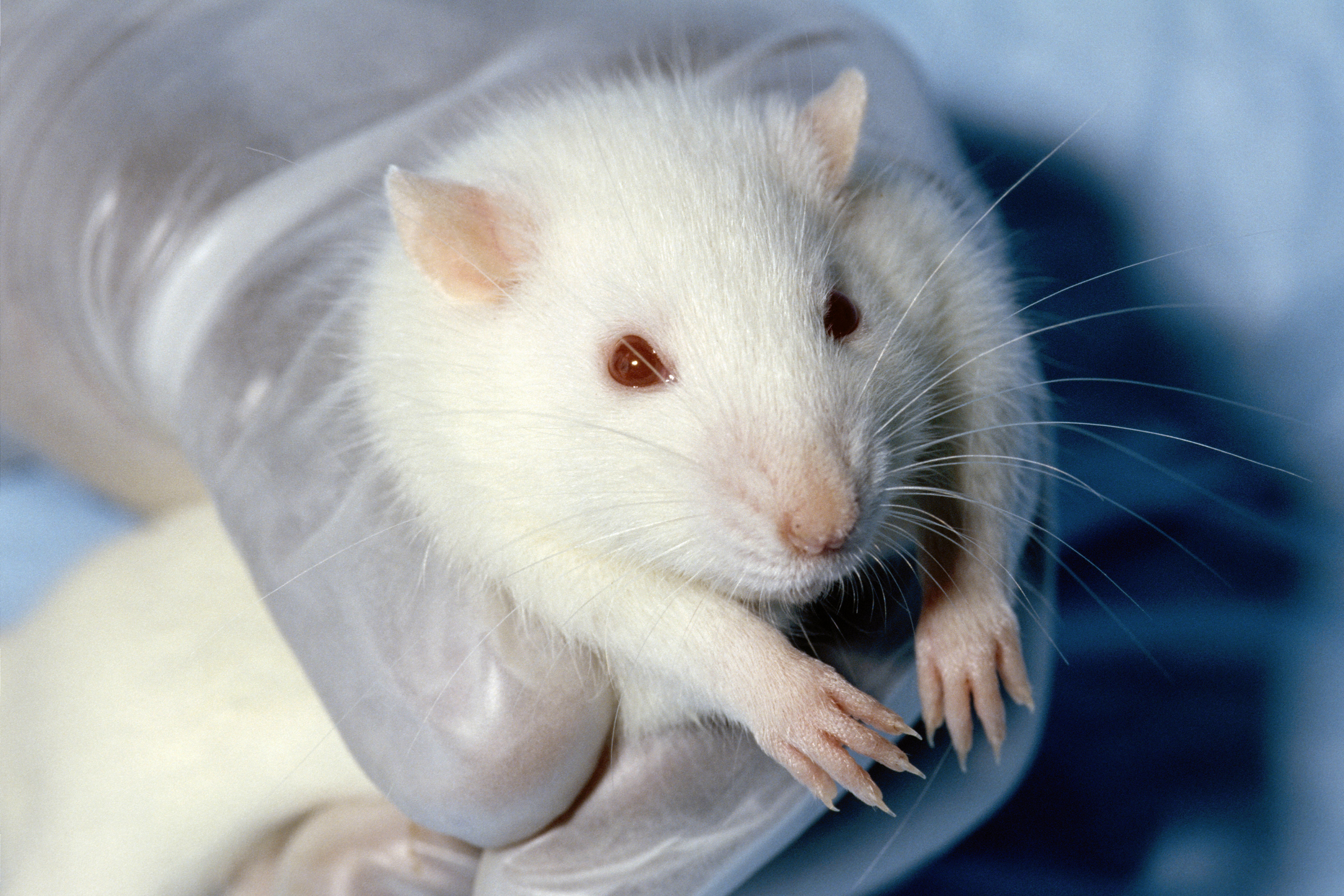
“We think of this as a way to have a better in vitro model that can maybe reduce animal use,”said graduate student Molly Boutin, co-lead author of the new paper in the journal Tissue Engineering: Part C.
The mini-brains, about a third of a millimeter in diameter, are made by isolating and concentrating the desired cells and then adding them like seeds to a culture in a spherical mold. It takes about two to three weeks for the cells to grow into a complex 3-D neural network.
According to the press release, the mini-brains are not the first or the most sophisticated clump of brain tissue out there, but they’re grown in fewer steps and cost just pennies to develop.
10 Amazing Parts Created Outside The Body
Diane Hoffman-Kim, associate professor of molecular pharmacology, and her team did a study where they used these mini-brains to test methods for treating Parkinson’s disease. Boutin, however, will use them to study how adult neural stem cells develop.
Overall, the research using the mini-brains is on the go and the most happy in all these are the cute little animals who were previously tested upon without their consents for our benefits.
View Latest News:
- Biocon acquires Vishakhapatnam-based Acacia Lifesciences
- Researchers Developed New Technique To Produce Insulin-secreting Cells That Can Treat Type-1 Diabetes
- Tissue-engineered colon from human cells develop different types of neurons
- Genetic Mutations Might Be The Reason Behind Growth Of Tumors In Brain